Author: admin

  • Planning the Autumn Valley Sweater

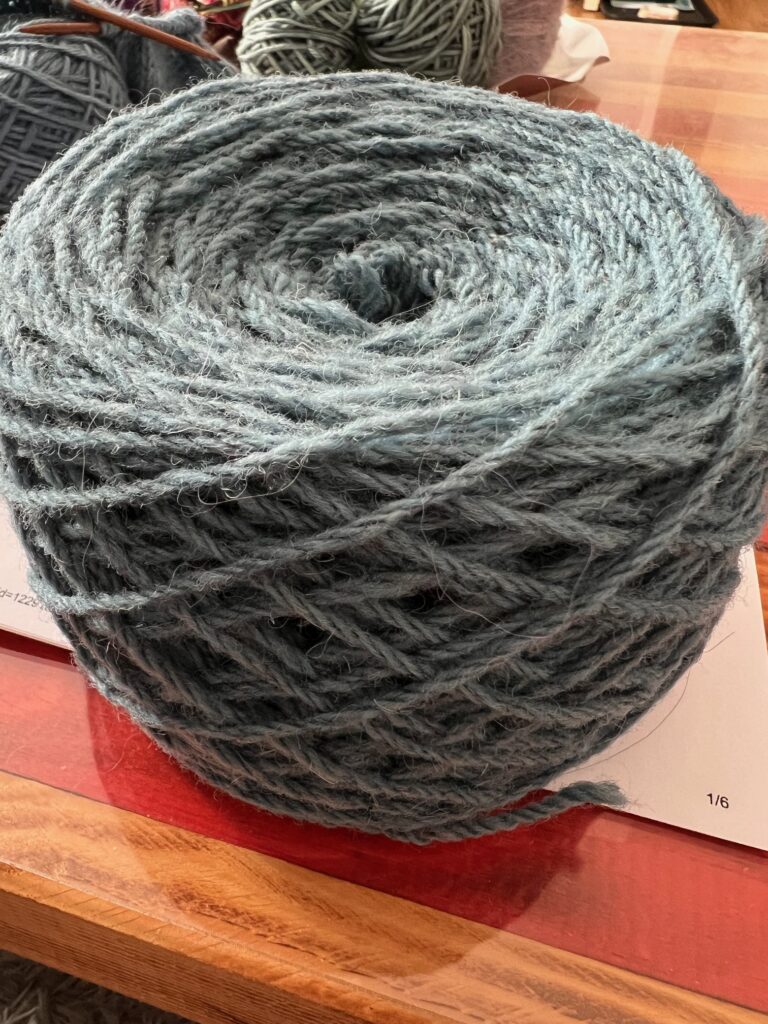
    There’s something about fall that makes me crave texture — that comforting, woolly kind of texture that only rustic yarn can deliver. So when I spotted the Autumn Valley Sweater by Drops Design, I knew it was the perfect match for a truly special yarn: Dachshund Daddy Knits Irish Aran, a treasure from a small mill in County Kerry, Ireland.

    Just look at it — that rich, heathered twist, full of character and sheepy goodness. You can almost smell the countryside and feel the Atlantic breeze in every strand. It’s the kind of yarn that feels alive in your hands, just waiting to become something cozy and timeless.

    I can already imagine the sweater taking shape: the sturdy stitches, the bold cables and textures that make this pattern shine, and that satisfying weight of a true Aran knit — not too polished, but full of soul. The yarn has that perfect rustic balance, straight from the sheep.

    I’ll admit, I’m a little giddy about casting on. There’s something grounding about knitting with yarn that has a story — wool that’s traveled from Irish sheep to a tiny mill to my needles. It feels like participating in a small, beautiful circle of tradition and care.

    So, here’s the plan: a few swatches (because gauge, my friends), a cup of coffee and a promise to enjoy every single stitch of this project. I’ll keep you posted as Autumn Valley comes to life — one rustic, Irish-flavored row at a time.

  • A Weekend with the Nola Mittens

    There’s something deeply satisfying about finishing a project in a single weekend—especially when that project is as cheerful and cozy as the Nola Mittens. I didn’t exactly plan to knit a pair of mittens in two days, but once I cast on Saturday morning, the yarn, the pattern, and a quiet weekend worked together like destiny on my needles.

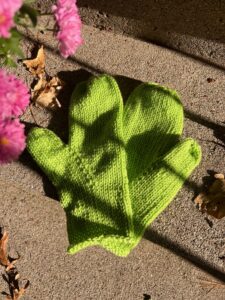
    Weekend knitting success — the Nola Mittens, knit one on Saturday, one on Sunday.

    Saturday: Casting On (and Not Stopping)

    Saturday started with a cup of coffee, some bright JaggerSpun Worsted Superwash in the happiest lime green, and the thought, I’ll just get this mitten started. Famous last words, right?

    The pattern is so smooth and intuitive that it’s easy to fall into a rhythm—stockinette that flows, shaping that feels natural, and just enough variety to keep things interesting. I kept telling myself I’d stop after one more round. Then after one more inch. And then, suddenly, I was knitting the decreases at the top.

    By late afternoon, I was holding up a fully finished mitten—warm, squishy, and glowing in that perfect shade of green. There’s nothing quite like that first try-on moment when the stitches come to life.

    Sunday: The Matchmaker Moment

    Of course, a single mitten can’t live alone. So Sunday’s mission was clear: knit its partner.

    The second mitten always feels a little faster—like your hands already know the dance. The stitches just flow. I had it cast on at breakfast, and by lunchtime, it was flying. By late afternoon, I had a complete set.

    Two days. Two mittens. One very content knitter.

    The Joy of a Quick Knit

    There’s something so refreshing about a project that fits neatly between a Saturday morning and a Sunday sunset. No long-term commitment, no lingering guilt—just pure, instant knitting gratification. The Nola Mittens hit that sweet spot: simple enough for relaxed weekend knitting, but polished enough that you feel proud when you weave in the last end.

    A Weekend Well Spent

    By Sunday night, my fingers were a little tired, my heart was full, and my hands were warm in freshly finished mittens. The kind of project that makes you think, I could totally do that again next weekend.

    So if you’re looking for a quick, satisfying knit that you can start and finish before Monday rolls around, give the Nola Mittens a try. Cast on Saturday morning, bind off Sunday night—and spend the whole next week admiring your new favorite pair.

  • Bright Stitches, Cozy Hands: Knitting the Nola Mittens

    You know that feeling when you cast on something just for fun—no pressure, no deadline, just pure knitting joy? That’s exactly what happened when I started my Nola Mittens in JaggerSpun Worsted Superwash.

    There’s something about the combo of a cheerful yarn and a simple, rhythmic pattern that makes this kind of project irresistible. This vivid, apple-green yarn practically glows on the needles! It’s the kind of color that makes even a cloudy day feel like spring is peeking through.

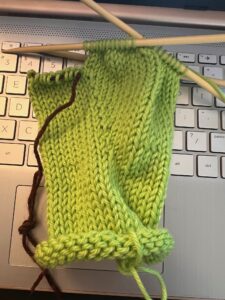
    Knitting a bright green Nola mitten on a cozy fall morning.

    Yarn That Behaves Beautifully

    Let’s talk about this yarn for a second—JaggerSpun Worsted Superwash is smooth, springy, and has just the right twist for crisp stitch definition. The superwash treatment means you can wear (and wash!) your mittens without worrying about felting them into felt pancakes. Plus, it glides like a dream on wood needles—no snagging, no splitting, just smooth sailing stitch after stitch. I’m so happy I found some before it’s gone forever, and in such a bright, fun color.

    A Pattern That Hits the Sweet Spot

    The Nola Mittens pattern is one of those knits that feels like a warm-up stretch for your fingers—enough variety to keep you interested, but simple enough that you can knit while chatting, watching a movie, or sipping something cozy. It’s perfect for practicing even tension, and the shape starts to appear almost magically after just a few inches.

    I love watching the fabric grow around the needles—it’s that kind of project where you keep saying “just one more round,” and suddenly you’ve finished a mitten!

    Laptop + Yarn = Knitter’s Reality

    And yes, I confess—this mitten has seen some multitasking moments. I may or may not have balanced it on my laptop while answering emails. (Proof: the photo says it all!) There’s something satisfying about mixing productivity with creativity—like sneaking in a little happiness between to-do lists.

    The Joy of Small Projects

    The best part of mitten knitting? Instant gratification! Unlike sweaters or shawls, mittens are a quick burst of color and warmth. Before you know it, you’re casting on the second one and already planning which color to try next.

    If you’ve been craving a project that’s low-stress but high-satisfaction, this one’s a winner. The Nola Mitten is cozy, cheerful, and—thanks to JaggerSpun’s lovely worsted wool—tough enough to actually wear.

    So grab your needles, pick your happiest yarn, and make something that’ll keep your hands warm and your heart full.


  • Knitting Through Chemotherapy: My Ranunculus Sweater Story

    There’s a special kind of magic in knitting—how it can calm your mind, steady your hands, and carry you through even the toughest seasons. During one of my chemotherapy sessions, I cast on a Ranunculus sweater, a project that ended up becoming far more than just another knit—it became a source of comfort, focus, and hope.

    The Project That Carried Me

    The Ranunculus is one of those patterns that seems to appear everywhere for a reason. It’s beautiful, versatile, and surprisingly meditative once you get into the rhythm. As I sat through long hours of treatment, the familiar motion of looping yarn over needles offered a sense of control and peace. Each stitch felt like a quiet reminder: I’m still here. I’m still creating.

    Finding Calm in the Rhythm

    Chemo sessions can stretch on for hours, full of waiting and wondering. Knitting transformed that time into something gentler. The rhythm of the stitches, the soft click of needles, and the feel of the yarn moving through my hands all worked together to slow my thoughts and ease my anxiety. The process became its own form of therapy—portable, creative, and soothing.

    The Comfort of Yarn

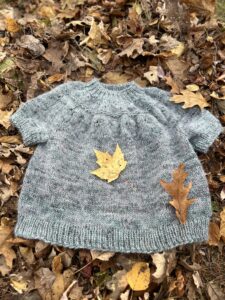
    For this sweater, I chose a Merino Worsted Superwash from Dachshund Daddy Knits, held with a strand of Siri Silk Haze. that felt cozy and gentle—soft enough to rest on sensitive skin and easy to handle on days when energy was low. The yarn felt grounding, like holding onto something living and warm when everything else felt clinical.

    Stitching Hope, One Row at a Time

    There’s something powerful about watching fabric grow beneath your hands when your body feels unpredictable. With every round of the yoke, I found myself focusing less on the medical machines around me and more on the simple beauty of creation. A few stitches turned into a row. A few rows turned into something wearable. Slowly but surely, hope took shape in yarn.

    A Sweater with a Story

    When I finally finished and laid the sweater out to block, I realized it wasn’t just a garment—it was a timeline. Each stitch represented a moment: some calm, some difficult, all meaningful. Now, when I see this swetaer, I’m reminded of how making can be both a distraction and a form of healing.

    Knitting won’t cure fear or fatigue, but it does have the power to comfort, to ground, and to remind us of our resilience. And sometimes, that’s exactly what we need.


    So if you ever find yourself in a hard season, bring your knitting along. Let the stitches carry you. Let the yarn remind you that even in uncertainty, you can still create something beautiful—one row, one moment, one day at a time.


  • Product Review – Guclud Short Interchangeable Knitting Needles Set

    * Links on this page lead to an Amazon affiliate page, where we earn a small percentage of the sale at no added costs to the buyer.

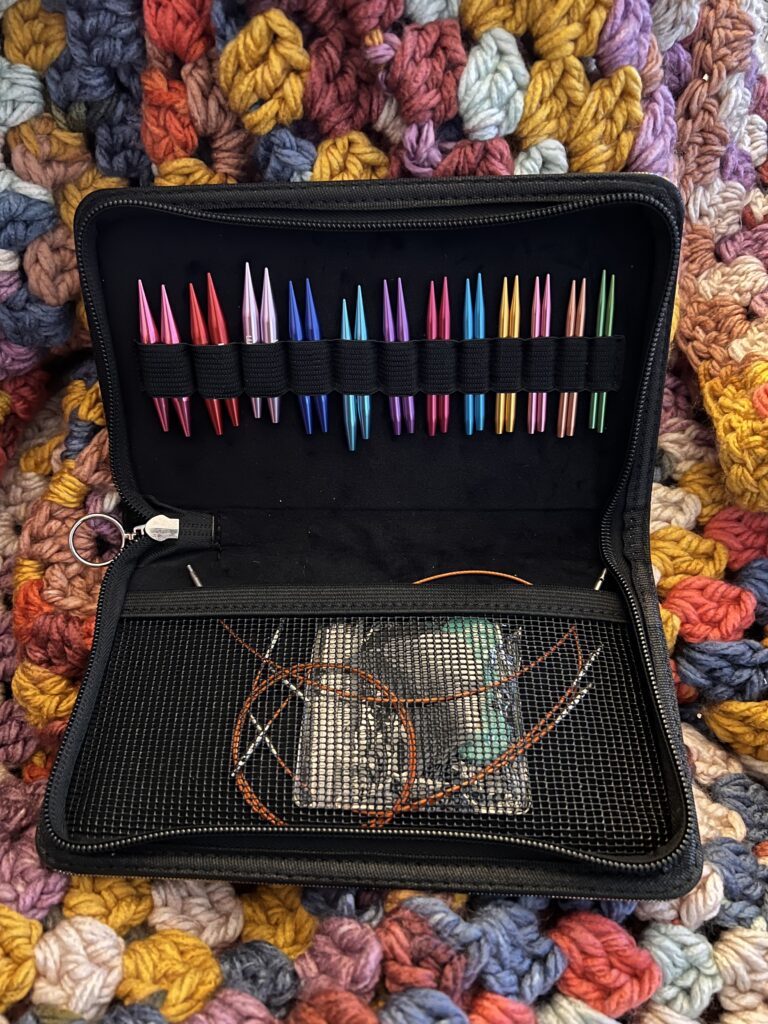
    If you’ve ever shopped for interchangeable knitting needles, you know the price tags on premium sets can sometimes make your jaw drop. While those luxury kits are lovely, not everyone wants—or needs—to spend that much to get started. Enter the Guclud Short Interchangeable Knitting Needles Set: a surprisingly affordable option that delivers quality and functionality without breaking the bank.

    First Impressions

    The set comes neatly packaged with a good range of needle sizes and cords, giving you the flexibility to tackle many different projects right away. The short needle length makes them especially handy for knitting hats, sleeves, socks, and other small-circumference items in the round.

    Comfort and Use

    The needles are smooth, lightweight, and easy to handle. The joins between cables and needles are impressively seamless for a budget-friendly set—no snagging or catching on yarn, which is a common issue with lower-cost options. The cords are flexible without being flimsy, so they don’t fight back while you knit.

    Value for Money

    This is where the Guclud set really shines. For a fraction of the price of premium brands, you get a versatile toolkit that will carry you through countless projects. While serious knitters may eventually invest in a luxury set, this one is perfect for beginners, budget-conscious makers, or anyone who wants a reliable backup kit.

    Pros

    • Very affordable compared to premium sets
    • Wide range of sizes included
    • Smooth joins with minimal snagging
    • Great for small-circumference projects
    • Lightweight and comfortable in hand

    Cons

    • Doesn’t have the luxury “heft” or finish of high-end brands
    • The short tips may take some getting used to if you’ve only used longer needles

    Final Thoughts

    The Guclud Short Interchangeable Knitting Needles Set proves that you don’t need to spend a fortune to enjoy interchangeable knitting. It’s practical, budget-friendly, and more than capable of helping you create beautiful knits. For anyone who’s hesitant about investing in an expensive set, this is a wonderful entry point—and honestly, a set you’ll probably keep reaching for even as your collection grows.

  • Finding Comfort in Knitting During Cancer Treatment

    When I first heard the words stage T3N+ rectal cancer, it felt like the ground fell away beneath me. Suddenly, my calendar was filled with appointments, scans, and treatments, and my mind was spinning with questions I couldn’t yet answer. In the middle of all that uncertainty, one thing remained steady: my knitting.

    A Lifeline in the Chaos

    Knitting has always been a passion, but during treatment, it’s become something more—it’s my lifeline. The rhythm of knit and purl, the feel of yarn moving through my hands, the small satisfaction of finishing a row—it all reminds me that there’s a rhythm to life, even in the middle of disruption.

    Small Projects, Small Wins

    On days when energy is low and my body feels heavy, I don’t always have the focus for big projects. Instead, I keep a ball of soft yarn and a simple pattern nearby. A washcloth, a hat, even a few rows of garter stitch. Every finished piece feels like a small victory—a reminder that progress is possible, even if it comes one stitch at a time.

    Choosing Comfort in Yarn

    Chemo days can be long, and hospital chairs aren’t exactly cozy. I started bringing my knitting bag to treatments, filled with yarns that feel especially comforting—squishy merino, soothing alpaca, cheerful colors. It’s amazing how much comfort something so simple can bring in a clinical space.

    The Knitting Community

    Another gift has been the community of knitters who’ve reached out. Friends have sent me yarn, patterns, and kind notes. Online groups cheer me on, and some even knit alongside me virtually. It’s a reminder that knitting isn’t just about fabric—it’s about connection, love, and care woven together.

    Looking Ahead

    I don’t know exactly what the future holds, but I do know this: every stitch is an act of hope. Knitting doesn’t take away the fear, or the fatigue, or the reality of cancer—but it gives me something tangible to hold on to. And that’s enough.


    If you’re going through treatment yourself, or supporting someone who is, maybe pick up your needles. A single row can be grounding. A finished project can be healing. And in between, the yarn carries you gently forward.


  • The Role of Knitting in Modern Craftsmanship

    Knitting, once considered a domestic necessity, has transformed into a dynamic expression of artistry, sustainability, and community in the modern age. Far from being a fading pastime, knitting is enjoying a revival—bridging the gap between tradition and innovation while redefining what craftsmanship means in the 21st century.

    From Utility to Artform

    Historically, knitting was a skill of necessity, producing garments that protected families from the cold. Today, it has evolved into a form of creative expression. Modern knitters experiment with bold colorwork, complex textures, and sculptural techniques that rival fine art. Museums and galleries now feature hand-knitted pieces, affirming that knitting is not only practical but also an elevated craft.

    A Slow-Made Alternative

    In a culture of fast fashion, knitting has become a statement of resistance. Each stitch represents time, patience, and care—qualities absent in mass production. Knitters consciously choose natural fibers, recycled yarns, or locally sourced materials, aligning their work with values of sustainability and mindful consumption. The act of knitting itself embraces slowness, offering makers a chance to step away from screens and connect with the rhythm of their hands.

    Technology and Innovation

    Knitting is not untouched by technology. Digital patterns, online communities, and 3D knitting machines are expanding the craft’s reach and possibilities. Designers can now blend hand-knitting with machine processes to create textiles that are both functional and futuristic. This fusion of heritage and innovation demonstrates that knitting has a place in the evolving landscape of modern craftsmanship.

    Building Communities

    Beyond the individual act, knitting fosters connection. Knitting circles—once small neighborhood gatherings—have moved online, creating global communities bound by yarn and creativity. These groups share knowledge, encourage experimentation, and provide a sense of belonging, proving that craft is not only about objects but also about people.

    Conclusion

    Knitting today is more than just a hobby; it is a dialogue between past and present, tradition and technology, individual creativity and collective identity. Its role in modern craftsmanship underscores the enduring human desire to make with our hands, to slow down, and to connect through shared artistry.


  • Tips for Creating Durable and Beautiful Knits

    Knitting isn’t just about making something cozy—it’s about creating pieces that last, look gorgeous, and make you proud every time you slip them on (or gift them to a lucky friend). If you’ve ever had a sweater stretch into a potato sack shape or socks that sprout holes after a single winter, don’t worry—we’ve all been there! With a few mindful tricks, you can knit items that are both sturdy and stylish. Here’s how:

    1. Choose the Right Yarn for the Job

    Not all yarns are created equal. That buttery-soft alpaca might feel like knitting with clouds, but it may not be the best choice for hard-wearing socks. Think about function:

    • Socks? Go with wool blends that have a touch of nylon for strength.
    • Sweaters? Look for yarns with good memory (wool wins again here).
    • Scarves and shawls? This is where you can splurge on luxury fibers—less wear and tear, more drama.

    2. Swatch (Yes, Really)

    I know, I know—swatching feels like the broccoli of knitting: healthy, but who wants it? Still, a little test square will tell you how your yarn behaves, how it drapes, and whether it will hold up. It’s like a sneak peek of your knit’s future.

    3. Pick the Right Stitches

    Some stitches naturally wear better than others. Ribbing keeps things snug, while garter stitch is squishy and forgiving. Delicate lace? Gorgeous, but maybe not the best choice for something you’ll toss in your backpack every day. Match your stitch patterns to your project’s lifestyle.

    4. Reinforce Stress Points

    Heels, elbows, and cuffs take a beating. Try double-stranding yarn in those areas, using reinforcement thread, or just knitting a bit tighter. A little extra effort now means fewer holes later.

    5. Block Like a Pro

    Blocking isn’t just about making things look nice (though it does wonders for evening out stitches). It also helps your knit settle into its “forever shape.” Steam, soak, pin—it’s basically giving your knits a spa day, and trust me, they’ll thank you.

    6. Care Matters

    Even the sturdiest yarn won’t survive a hot tumble in the dryer. Hand wash gently, roll in a towel, lay flat to dry. Bonus: you get an excuse to tell everyone, “Sorry, I can’t hang out, I’m washing my handknits.” Very glamorous.

    Final Stitch

    Durability and beauty don’t have to be a trade-off. With the right yarn, thoughtful stitches, and a little TLC, you can create knits that last for years and turn heads. After all, nothing feels better than rocking a handmade sweater that’s both fabulous and built like a tank.


  • How to Choose the Perfect Yarn for Your Project

    Here’s an informative blog post for you:


    How to Choose the Perfect Yarn for Your Project

    Every knitter knows the excitement of walking into a yarn store (or scrolling through an online shop) and being overwhelmed by walls of color, texture, and possibility. But with so many choices, how do you pick the right yarn for your project? The truth is, yarn selection is just as important as the pattern itself—maybe even more so. The perfect yarn can make your project shine, while the wrong one can lead to frustration, frogging, and a finished piece you’ll never wear. Here’s how to choose wisely.

    1. Consider the Project Type

    The first question to ask is: What am I making? Different projects call for different yarn qualities.

    • Socks → Durable fibers with some stretch (wool blends with nylon are ideal).
    • Sweaters → Yarns that hold their shape, like wool or wool blends.
    • Scarves and shawls → Soft, drapey fibers like alpaca, silk, or blends for comfort and elegance.
    • Blankets → Look for sturdy, washable yarns, often in acrylic or superwash wool.

    2. Fiber Content Matters

    Fibers determine how your finished project feels, behaves, and lasts.

    • Wool: Warm, elastic, and versatile. Great for sweaters and accessories.
    • Cotton: Cool and breathable, perfect for summer garments, but less stretchy.
    • Alpaca: Soft, luxurious, and warm, but can stretch out if not stabilized.
    • Silk: Smooth with beautiful drape and sheen—ideal for lightweight, elegant projects.
    • Acrylic: Affordable, durable, and easy-care, though less breathable.

    Blends often give you the best of both worlds—strength, softness, and versatility.

    3. Pay Attention to Yarn Weight

    Yarn weight refers to thickness, and it directly affects your project’s size, drape, and warmth. Common categories include:

    • Lace: Very fine, delicate, for airy shawls.
    • Fingering / Sock: Lightweight, perfect for socks or lightweight garments.
    • DK (Double Knitting): A versatile middle weight.
    • Worsted: Sturdy and warm, a favorite for sweaters and blankets.
    • Bulky / Super Bulky: Quick to knit, great for cozy scarves and chunky sweaters.

    Always check your pattern for the recommended weight to stay on track.

    Project TypeRecommended Yarn FibersIdeal Yarn WeightsNotes
    SocksWool blends with nylonFingering / SportDurable, stretchy, breathable
    SweatersWool, wool blends, alpaca (with care)DK / WorstedWool has great memory; alpaca can stretch
    Scarves & ShawlsAlpaca, silk, merino, luxury blendsFingering / DKChoose drapey yarns for elegance
    Hats & MittensWool, wool blendsWorsted / BulkyWarmth and elasticity are key
    Baby ItemsCotton, bamboo, superwash wool, acrylicDK / WorstedOpt for soft, washable, non-irritating yarns
    BlanketsAcrylic, superwash wool, cotton blendsWorsted / Bulky / Super BulkyEasy-care and durable for frequent use
    Lace ProjectsSilk, mohair blends, fine woolLace / FingeringLight, delicate fibers show lacework beautifully
    Home DécorCotton, linen, sturdy blendsWorsted / BulkyStrong fibers hold shape well

    4. Texture and Ply

    A yarn’s construction (single ply, tightly plied, or textured) influences stitch definition. If you’re knitting intricate cables, choose a smooth, plied yarn for crisp results. For soft, hazy looks, single-ply or haloed yarns (like mohair blends) add softness and a dreamy aesthetic.

    5. Color Considerations

    Color is more than just preference—it affects visibility of stitches and the final look. Light or solid colors show off complex stitch patterns, while variegated yarns create fun visual effects but can obscure details. Think about what you want to highlight in your project.

    6. Care and Maintenance

    Be realistic about how much effort you want to put into caring for your finished piece. If you’re knitting baby clothes, you’ll probably want machine-washable yarn. A delicate lace shawl? Hand-wash only is fine. Always check yarn labels for care instructions before you commit.

    Final Thoughts

    Choosing the perfect yarn is part science, part art. By considering the project type, fiber content, weight, texture, color, and care requirements, you can set yourself up for knitting success. And remember: the “perfect” yarn isn’t just about technical details—it’s also the one that excites you to cast on and see your project come to life.


  • The History and Evolution of Textile Arts


    From the earliest woven fibers to today’s innovative textiles, the art of making fabric has been central to human culture. Textile arts are more than just functional—they tell stories of survival, identity, and creativity. Let’s take a journey through their history and see how this ancient craft continues to evolve.

    Beginnings in Utility

    The roots of textile arts reach back tens of thousands of years. Early humans twisted plant fibers and animal sinews into cords, ropes, and nets. Eventually, these techniques led to woven fabrics and simple garments that protected people from the elements. Textiles were among the earliest forms of technology—an essential step in human advancement.

    Textiles as Culture and Power

    As civilizations grew, textiles became a symbol of wealth and identity. Ancient Egyptians used linen for clothing and burial shrouds, while silk production in China gave rise to one of the most valuable trade commodities in history. In medieval Europe, guilds controlled weaving and dyeing, elevating textiles to a marker of social status. Cloth was not only practical but also political.

    Global Influence and Exchange

    Textiles have always been a vehicle for cultural exchange. The Silk Road carried fabrics, dyes, and techniques across continents, influencing patterns and designs far from their origins. In West Africa, traditions like kente weaving developed unique identities that remain culturally significant today. Each region brought its own materials, motifs, and symbolism, weaving history into every thread.

    The Industrial Revolution

    The 18th and 19th centuries brought dramatic changes. Mechanized spinning and weaving revolutionized textile production, making fabrics more accessible but also transforming labor and economies. What had once been painstakingly hand-made became mass-produced, shifting textile arts from necessity to expression. Handweaving and knitting, once everyday skills, began to carry a new sense of artistry.

    Modern Revival and Innovation

    Today, textile arts thrive in both traditional and experimental forms. Handcraft movements celebrate the value of slow, intentional making—whether it’s knitting, quilting, or hand embroidery. At the same time, technology pushes boundaries with 3D knitting machines, smart fabrics, and sustainable fibers made from bamboo, hemp, and even recycled plastics. This balance of heritage and innovation defines the modern textile landscape.

    Conclusion

    The history of textile arts is the history of humanity: resourceful, creative, and ever-changing. What began as survival has become a powerful form of self-expression, connecting cultures and generations. Whether handwoven on a loom or engineered in a lab, textiles remain at the heart of how we live, dress, and define ourselves.


    Timeline of Textile Arts

    c. 30,000 BCE – Early humans twist plant fibers and sinews into cords and nets.
    ⬇️
    c. 5000 BCE – Linen weaving flourishes in Ancient Egypt, used for clothing and burial rites.
    ⬇️
    c. 3000 BCE – Silk production begins in China, sparking a global luxury trade.
    ⬇️
    c. 1000 CE – The Silk Road spreads fabrics, dyes, and weaving techniques across Europe, Asia, and Africa.
    ⬇️
    13th–15th centuries – European guilds regulate weaving and dyeing, elevating textiles as symbols of wealth and power.
    ⬇️
    18th century – The Industrial Revolution introduces spinning and weaving machines, revolutionizing textile production.
    ⬇️
    19th–20th centuries – Handcrafted traditions like quilting, embroidery, and knitting evolve into artistic and cultural expressions.
    ⬇️
    21st century – Innovation meets heritage: 3D knitting, smart textiles, and sustainable fibers transform the future of fabric.